Brett DiNovi / online as Bread
Make it
make sense.
I write about crypto.
And build things that help explain it.
Former Head of Ecosystem at MegaETH.
Still curious. Still making things.
01 Writing + illustration
A number is
a headline.
Then what?
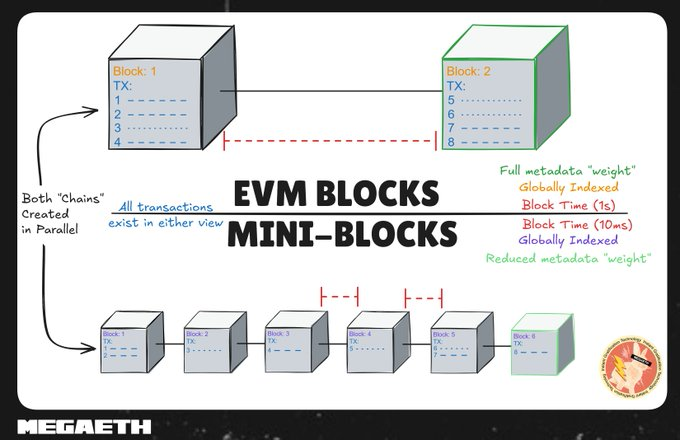
“10ms blocks” sounds fast. But what is a mini-block? What does it contain? How does it work with the tools developers already use?
I wrote and illustrated the 10ms ENDGAME article to draw those relationships out.
Read the articlePublished 6 March 2025 · My writing and illustrations.
Protocol research and engineering by the MegaETH team.
02 Interactive explanation
Give the number
a familiar shape.
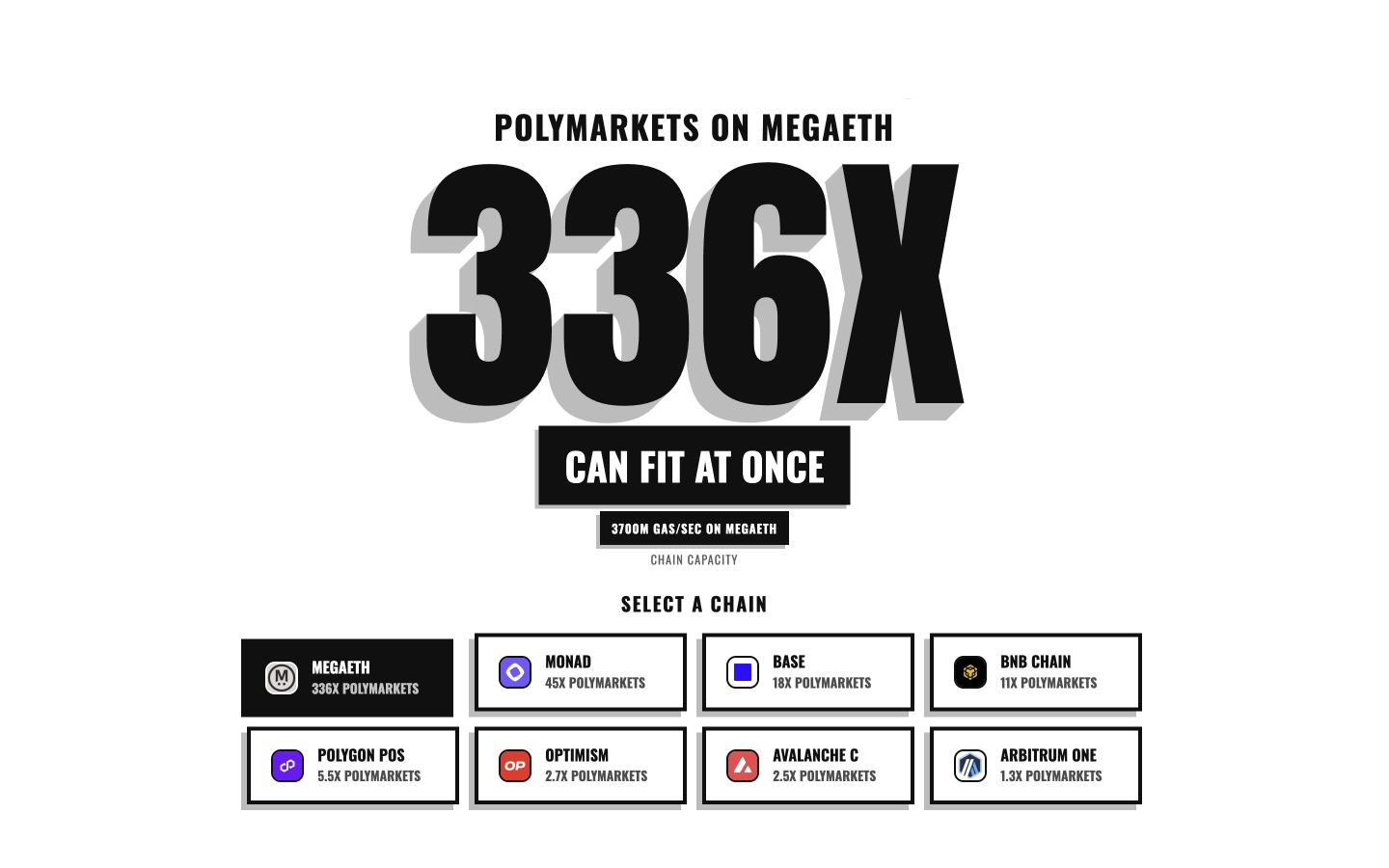
I made How Many Polymarkets? to give blockchain throughput a familiar unit: a Polymarket-sized app.
Pick a chain. Watch the comparison change. Part explanation, part toy.
Try the interactiveIllustrative capacity framing, not a claim about real-world app throughput.
03 Draft specification
From a request
to a payment.
I coauthored the EVM Charge draft with Conner Swenberg and Kyle Scott: one-time ERC-20 payments through HTTP payment authentication.
A shared format for a very practical interaction.
Read the original draftInternet-Draft · 26 September 2026.
Work in progress, not a final standard.
04 Onchain application
Something
you can name.
My work on MegaNames and the .mega marketplace: a naming application on MegaETH, built on z0r0z’s wei-names foundation.
A readable name is a small thing that changes how a system feels to use.
Visit the marketSource code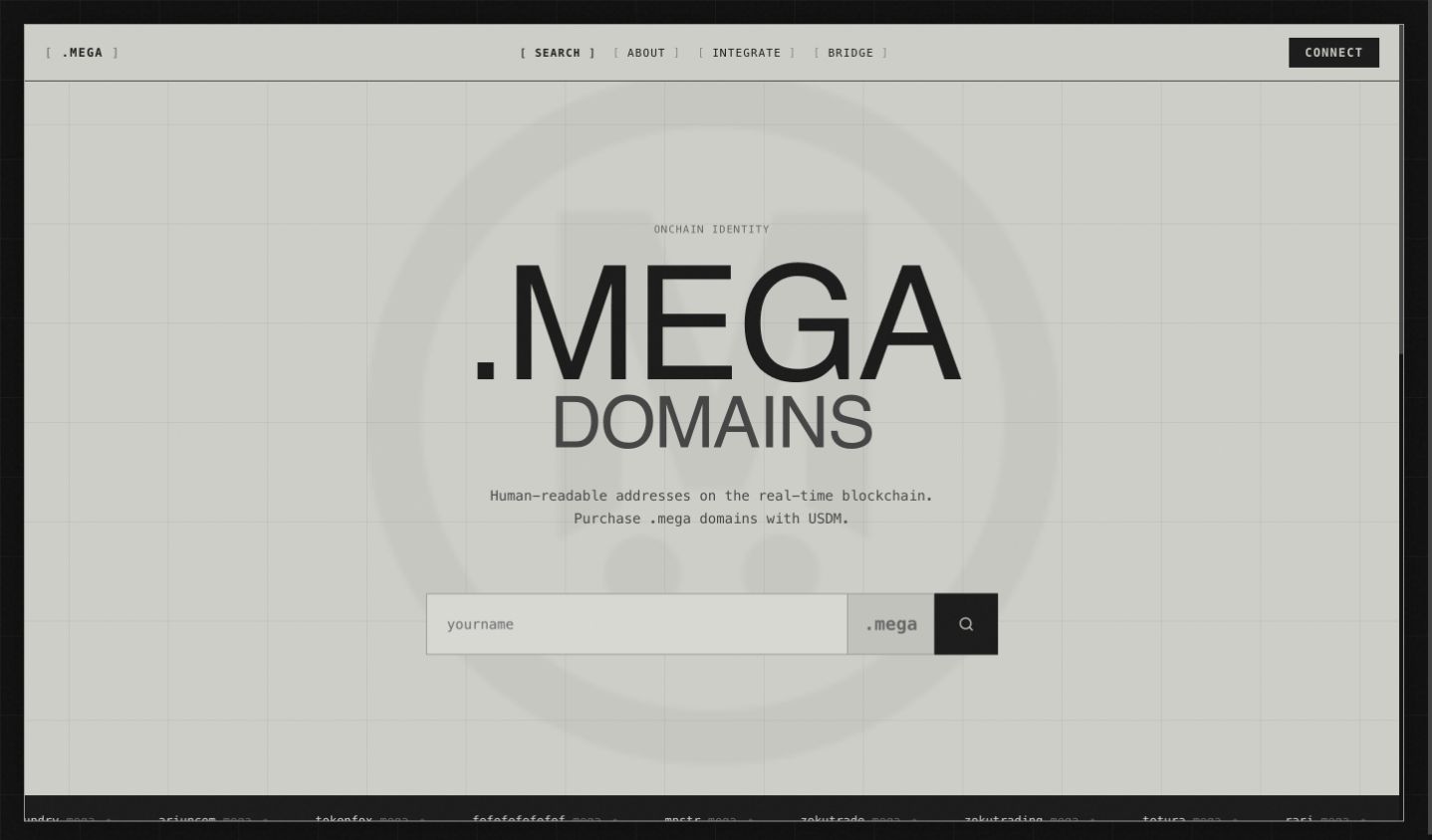
05 Team tooling
Useful behind
the scenes, too.
I built MegaInternBot, a testnet faucet bot for team requests. It used a scoped MOSS vault, approved requesters and per-asset limits for ETH, USDM and MEGA.
Less back-and-forth. A clear boundary around what a tool could do.
Shipped team tool · No public demoThe pieces, together
Words. Tools.
Things out in the world.
A quick route to the work, if you’d rather skip the scenic one.
10ms ENDGAME
My article and illustrations
02 / INTERACTIVEHow Many Polymarkets?
A different unit of explanation
03 / SPECIFICATIONEVM Charge
Coauthored Internet-Draft
04 / APPLICATIONMegaNames
Names and a marketplace
05 / TEAM TOOLINGMegaInternBot
A scoped testnet faucet
ALSO / COLLABORATIONSALT, with Sammy
A library analogy for state storage
A little context
Brett in person.
Bread online.
I’ve been involved in crypto since 2017. At MegaETH, I was Head of Community and later Head of Ecosystem.
Before and alongside crypto, I spent more than a decade building and integrating healthcare systems, including Epic integrations. Different systems, very real consequences when the pieces don’t fit.
Offscreen: cycling, lifting, time outside. A Japanese bodysuit, years in the making.
The full résuméPublic voice, in context +
Snapshot, 17 October 2026: 56.9K followers on X. TwitterScore: 522/1,000, #292 of 497,973 tracked accounts with a score of at least 1 (“top 0.1%”). Kaito: 2,984 crypto smart followers; 3,424 total.
These are measures of public presence, not conversion or endorsement.
Keep the conversation going